Civil society organisations of indigenous Finno-Ugric peoples from Russia, Estonia and Finland are among the first to join preparations for the International Year of Indigenous Languages 2019 that has been proclaimed by the United Nations General Assembly. Representatives of Finno-Ugric peoples from the Baltic Sea Region have established a civil society network for preserving and revitalizing indigenous Finno-Ugric languages, by proposing concrete steps for ensuring sustainability of these languages. Activities of the project include a mini-grant programme for supporting local language initiatives and design of an interactive publication about good practices of language preservation and revitalization led by the civil society. The project, funded by the Nordic Council of Ministers, will strengthen language activism in the Baltic Sea Region and will present the unique Finno-Ugric experience to international venues.
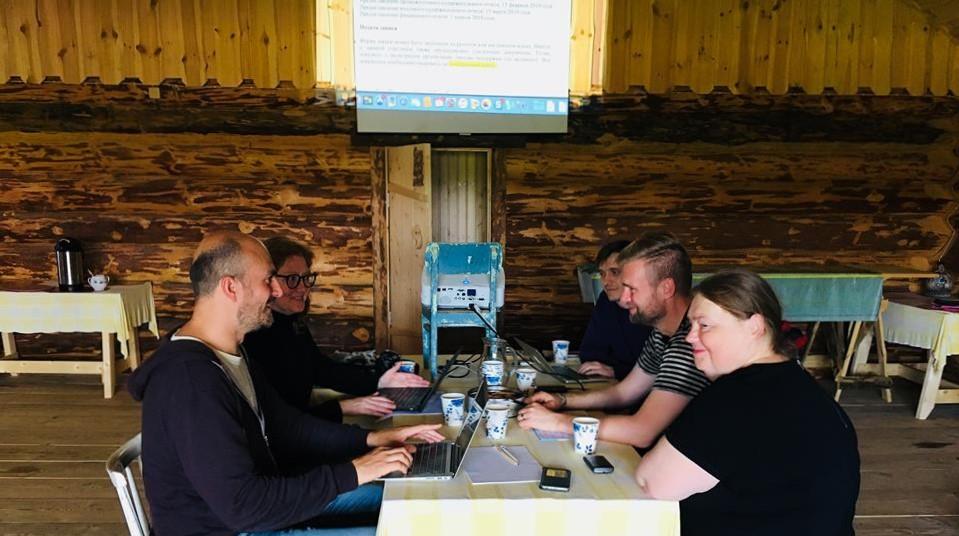
To launch the project “Civil Society Network For Revitalising Indigenous Languages”, partner organisations from Estonia, Finland and North-West Russia, under the leadership of the Association of Ethno-Cultural Centres “ECHO”, met in the historical Karelian village Kinerma and in the Karelian Language House in Vedlozero (Vieljärvi) on September 3-5, 2018.
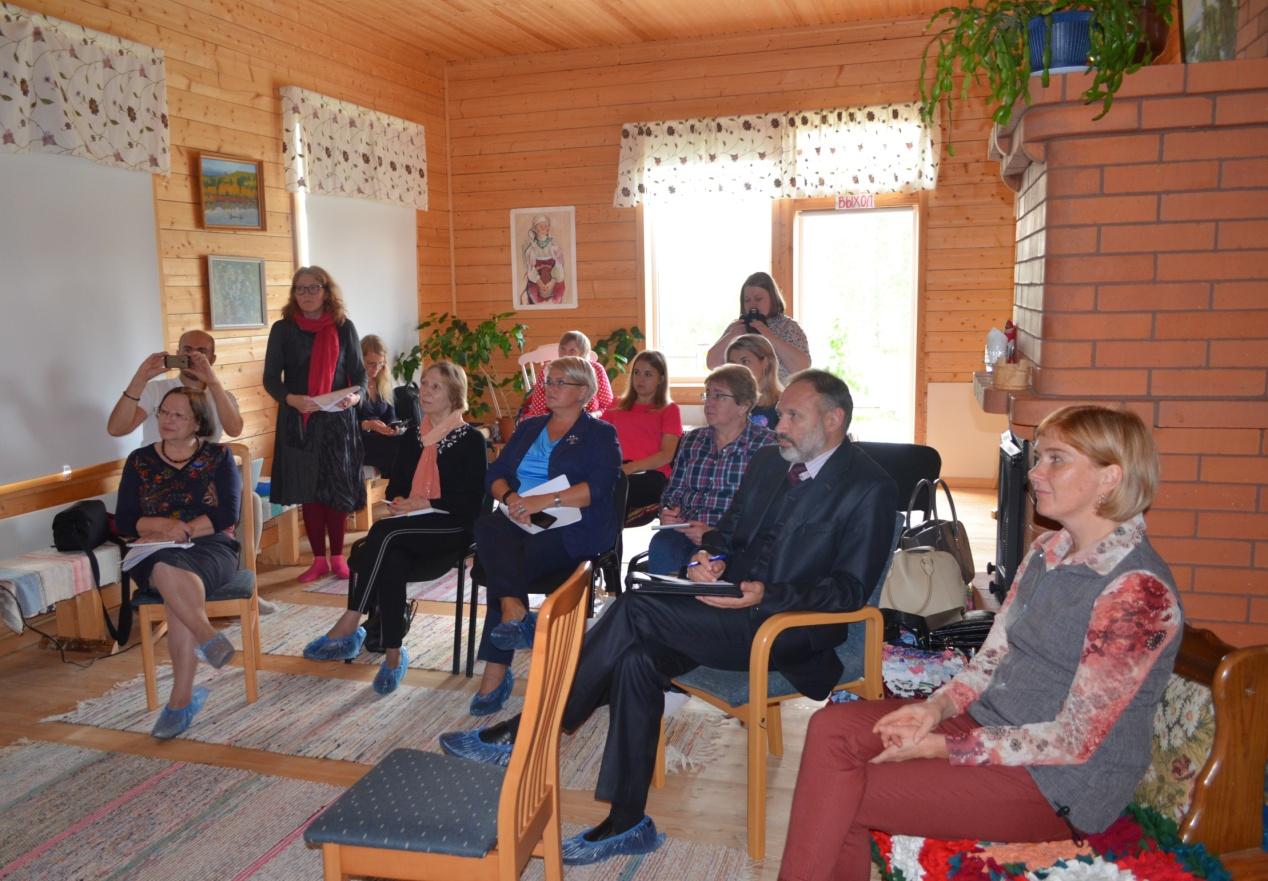
A number of external experts and representatives of Karelian authorities were invited to the discussion. Zinaida Strogalschikova, a well-known researcher at the Karelian Academic Centre and a leader of the indigenous Veps community, gave an update of Russia’s legislation in the field of language policy and analysed opportunities for civil society participation in the preservation and revitalization of indigenous peoples’ language. Natalia Antonova, expert of pre-school immersive learning, demonstrated by the example of the Karelian Language House how to mobilize the local language community around a civil society initiative. Other speakers included Elena Migunova (Head of the Department of State Support to Indigenous Peoples in the Republic of Karelia), Gennady Sarayev (Ombudsman of Children’s rights in the Republic of Karelia) and Tatiana Kleerova (Head of the Board of the 8th Congress of the Karelian People). All speakers welcomed the new project – from now on to be branded as SANA 2019 – and shared their views on how to best organize project work with local communities.
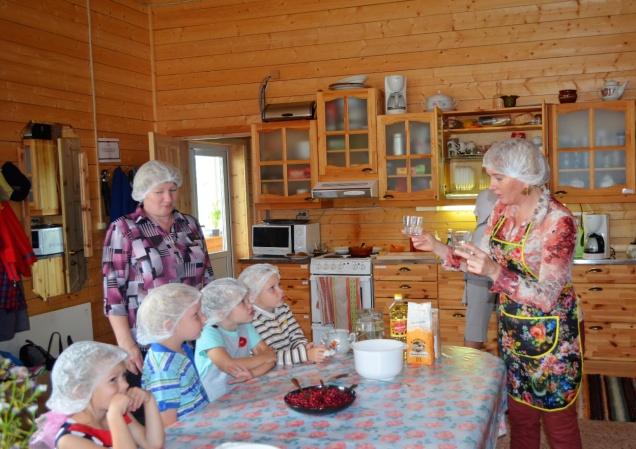
As a host of the working meeting, Karelian Language House presented the results of the arduous work of language activists at Vedlozero. Children attending the Karelian language nest (kindergarten) participated in a workshop held in Karelian language on preparing a traditional Karelian dessert töncöi. Cultural programme also included a performance by Santtu Karhu, veteran of Karelian folk-rock.